How Much Does It Cost to Rewire a House in 2026?
How Much Does It Cost to Rewire a House in 2026?
If you've recently been told your property may need rewiring, one of the first questions you'll probably ask is, "How much is this going to cost?"
The honest answer is that every property is different. The size of your home, its age, the condition of the existing wiring and the amount of work involved will all affect the final price.
While a full rewire is one of the larger electrical investments a homeowner can make, it's also one of the most important when it comes to safety, reliability and future-proofing your home. In this guide, we'll explain what a rewire involves, what influences the cost, and how to know whether your property actually needs one.
What Is a Full House Rewire?
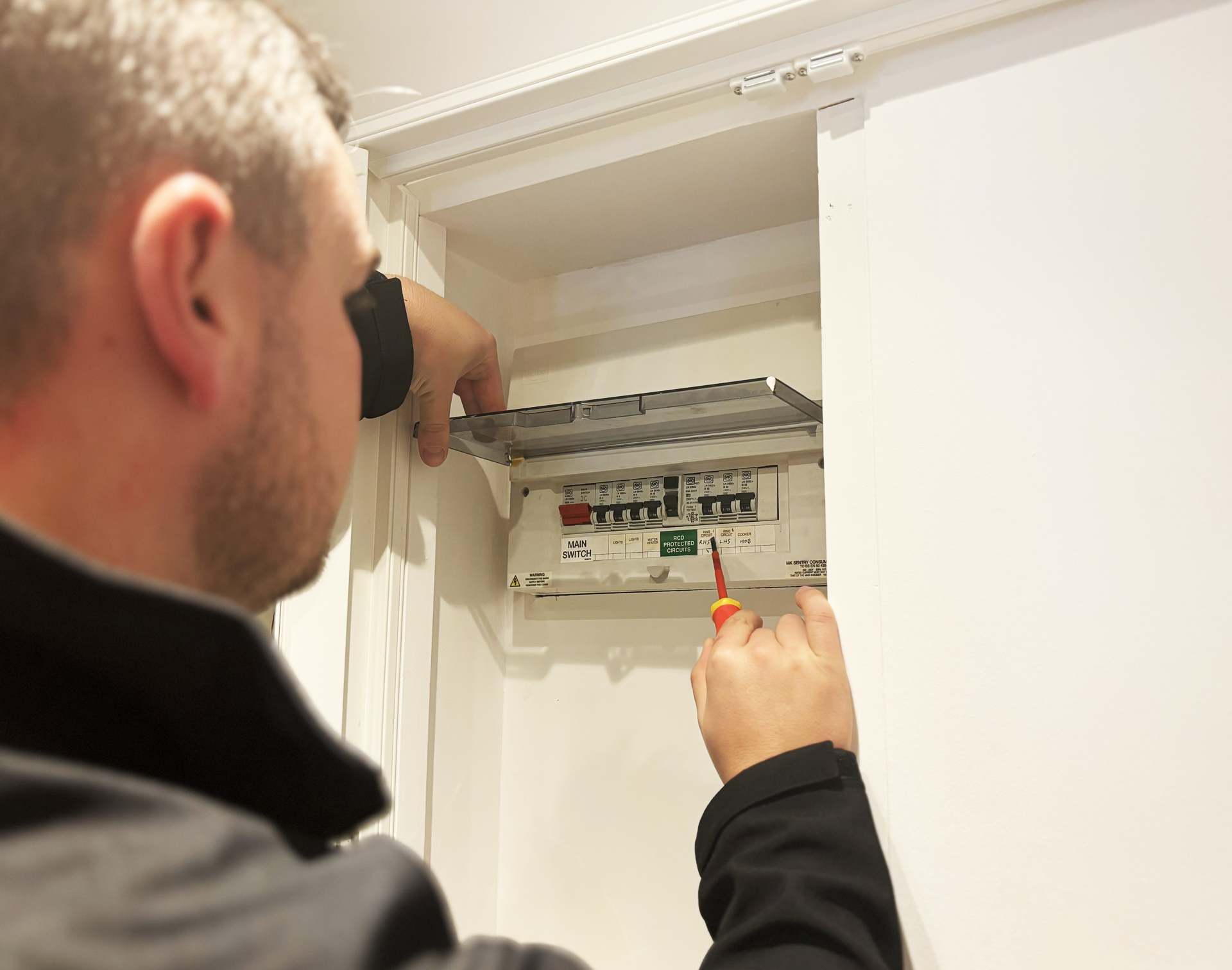
A full rewire involves replacing the electrical wiring throughout your property. This includes installing new cables, sockets, switches, lighting circuits and, in most cases, a new consumer unit (often referred to as a fuse box). Over time, electrical wiring naturally deteriorates. Older systems may no longer meet current regulations or be capable of supporting the number of electrical devices we use every day. If your home hasn't been rewired for 30 to 40 years, it's worth having the installation inspected by a qualified electrician.
How Much Does a House Rewire Cost?
As a rough guide, homeowners in 2026 can expect the following price ranges:
- 1-bedroom property: approximately £3,000–£5,000
- 2-bedroom property: approximately £4,000–£6,500
- 3-bedroom property: approximately £5,000–£8,000
- 4-bedroom property: approximately £7,000–£10,000+
These figures are intended as a guide only, and every property should be assessed individually before an accurate quotation can be provided.
It's worth remembering that while the initial cost may seem significant, a quality rewire should last for decades, making it a worthwhile long-term investment.
What Affects the Cost?
Several factors influence the overall cost of a rewire.
The Size of the Property
Naturally, larger homes require more cable, more accessories and more labour. A detached four-bedroom house will generally take considerably longer to complete than a small terraced property.
The Age of the Building
Older homes can present additional challenges. Solid walls, unusual construction methods or previous DIY electrical work can all increase the complexity of the project. Sometimes electricians won't know exactly what's hidden behind the walls until work begins.
Occupied or Empty?
Rewiring is much quicker and more cost-effective when the property is empty. If you're renovating or have recently purchased a home, carrying out a rewire before decorating or moving furniture back in can save both time and money. Occupied homes can still be rewired, but the work often needs to be completed in stages to minimise disruption.
Additional Electrical Upgrades
Many homeowners choose to improve their electrical installation while the work is taking place.
This could include:
- Additional sockets
- USB or USB-C sockets
- Exterior power supplies
- Garden lighting
- Smart lighting controls
- Electric vehicle charger preparation
- Smoke and heat alarms
- Data or network cabling
Adding these during a rewire is often much more cost-effective than installing them later.
How Do I Know If My House Needs Rewiring?
Not every older property requires a complete rewire, but there are several warning signs to look out for.
You may want to arrange an inspection if you notice:
- Frequent tripping of circuit breakers
- Flickering lights
- Discoloured sockets or switches
- Burning smells
- Rubber, fabric or lead-covered wiring
- An old-style fuse board with rewireable fuses
- Very few sockets in each room
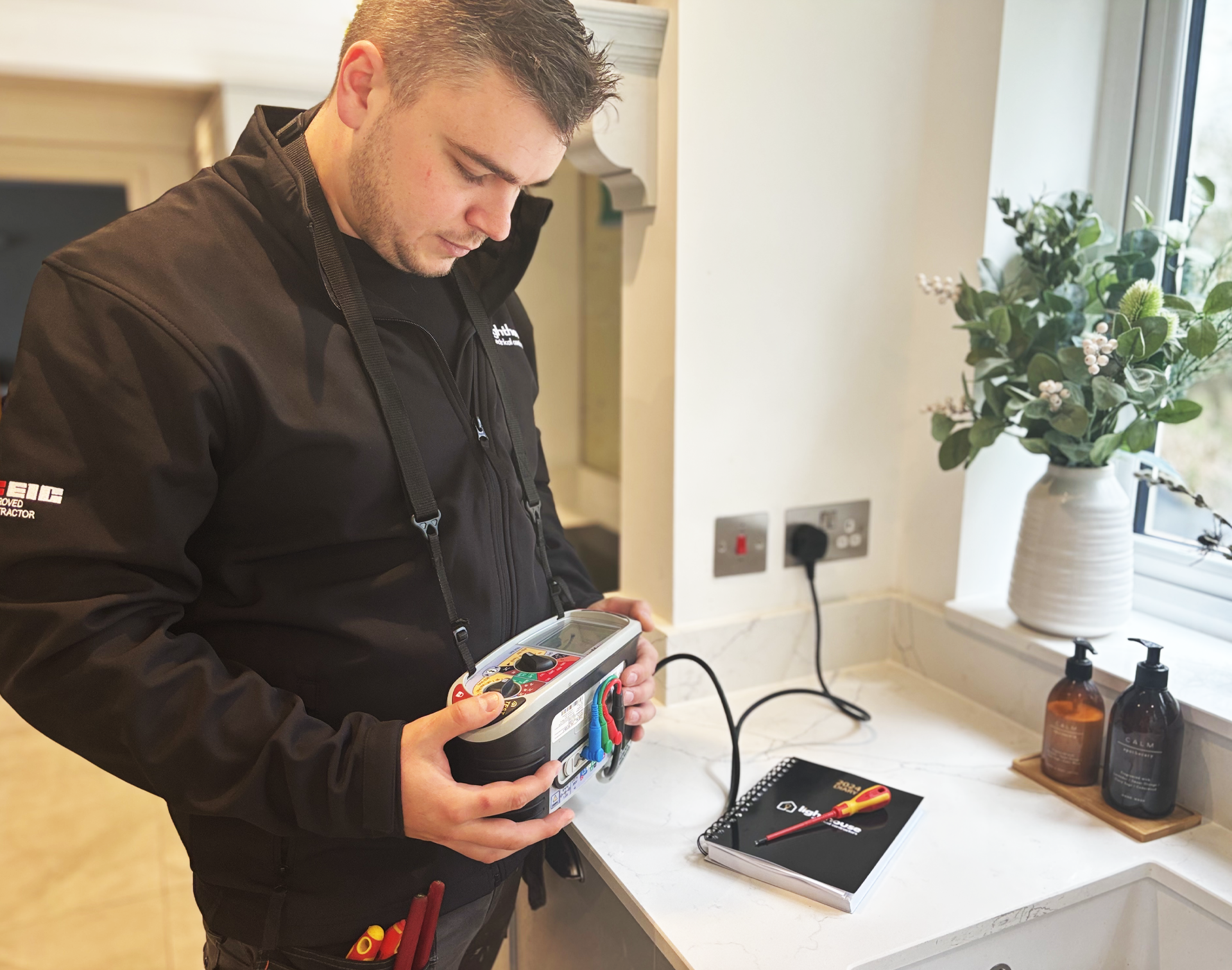
- An Electrical Installation Condition Report (EICR) recommending remedial work
Sometimes only part of the installation needs upgrading, so it's always worth seeking professional advice before assuming a full rewire is necessary.
How Long Does a Rewire Take?
Most domestic rewires take between five and ten working days. Larger properties or more complex installations may take longer, particularly if additional work is being carried out alongside renovations. Your electrician should provide a realistic programme before work begins, so you know what to expect.
Is a Rewire Worth It?
Although it's easy to focus on the cost, it's worth considering the benefits.
A modern electrical installation offers:
- Improved safety
- Greater reliability
- Compliance with current regulations
- More sockets where you actually need them
- Better capacity for modern appliances
- Preparation for future technologies such as EV charging and smart home systems
- It can also increase buyer confidence if you decide to sell your home in the future.
Choosing the Right Electrician
A house rewire is a major project, so choosing an experienced, fully qualified electrician is essential. Look for a contractor who is:
- Fully insured
- NICEIC approved
- Happy to provide a detailed written quotation
- Transparent about timescales and what's included
- Experienced in domestic rewiring projects
Cheaper quotes aren't always better. Quality workmanship, thorough testing and compliance with the latest regulations are just as important as the price itself.
Thinking About Rewiring Your Home?
Whether you've recently moved into an older property or simply want peace of mind that your electrics are safe, our team at Lighthouse Electrical Contractors is here to help.
We provide honest advice, thorough inspections and high-quality rewiring services across Wokingham, Reading, Bracknell and the surrounding areas. If you're unsure whether your property needs a full rewire or would like a no-obligation quotation, we'd be happy to talk you through your options.
Contact us